Embedded yield from Aave
Stable Vaults enable fintechs to embed stable-rate earning on stablecoins directly into their products.

What are Stable Vaults?
Predictable stablecoin earning for fintechs.
Traditional DeFi lending rates fluctuate with market utilization. Stable Vaults turn that volatility into a stable-rate product layer that is easier to explain, forecast, and embed.
Stable. Predictable. Trustworthy.
- No rate volatility.
- Per-user rates for loyalty, campaigns, or tiers.
- Yield compounds every second, automatically.
- Easy for end users to understand.
The rate you see is locked at deposit and compounds every second. Market yield moves underneath; the Vault absorbs the swings to hold your rate steady.
Why Stable Vaults
Bring stablecoin earning into your product.
Stable Vaults package DeFi-powered yield inside familiar product flows, with supported assets, rates, and redemptions all built in.
Multi-asset deposit and withdrawal
Deposit one supported stablecoin, redeem another: yield fits the rails already in your product.
Per-user rates
Assign rates by activity, tier, loyalty, or promo: the vault tracks each user automatically.
Multi-chain earning
Capital is spread across multiple chains and lending markets: lower fees, deeper liquidity, by default.
How it works
Deposit, earn, withdraw.
Stable Vaults keep the user experience familiar while the vault manages liquidity, accounting, and DeFi-powered yield beneath it.
Deposit
Users add a supported stablecoin through the product surface they already use.
Earn at a stable rate
The vault tracks the user's balance against a predictable stable rate.
Withdraw
Users request withdrawal and redeem through the same surface, across all supported assets.
Core Capabilities
The Building Blocks.
The flexible pieces that make the simple vault experience work.
Stable rates
Users earn a pre-set predictable APY with no volatility.
Per-user rates
Different rates for loyalty, campaigns, or tiers.
Multi protocol
Aave v3, Aave v4, sGHO, Veda, and more.
Multi-chain earning
Capital is deployed across chains where yields are best.
Multi asset
Deposit and withdraw supported stablecoins.
Permissioned access
Whitelisted or signature gated deposits for approved users.
Cross-chain deposits
Deposit and withdraw from any supported chain.
Fee splitting
Automated yield distribution across participants.
Modular by design
Built to be extended for new use cases.
Powering Aave Products
Stable Vaults power Aave App.
A simple earn experience for users who want predictable stablecoin yield without managing markets or chains.

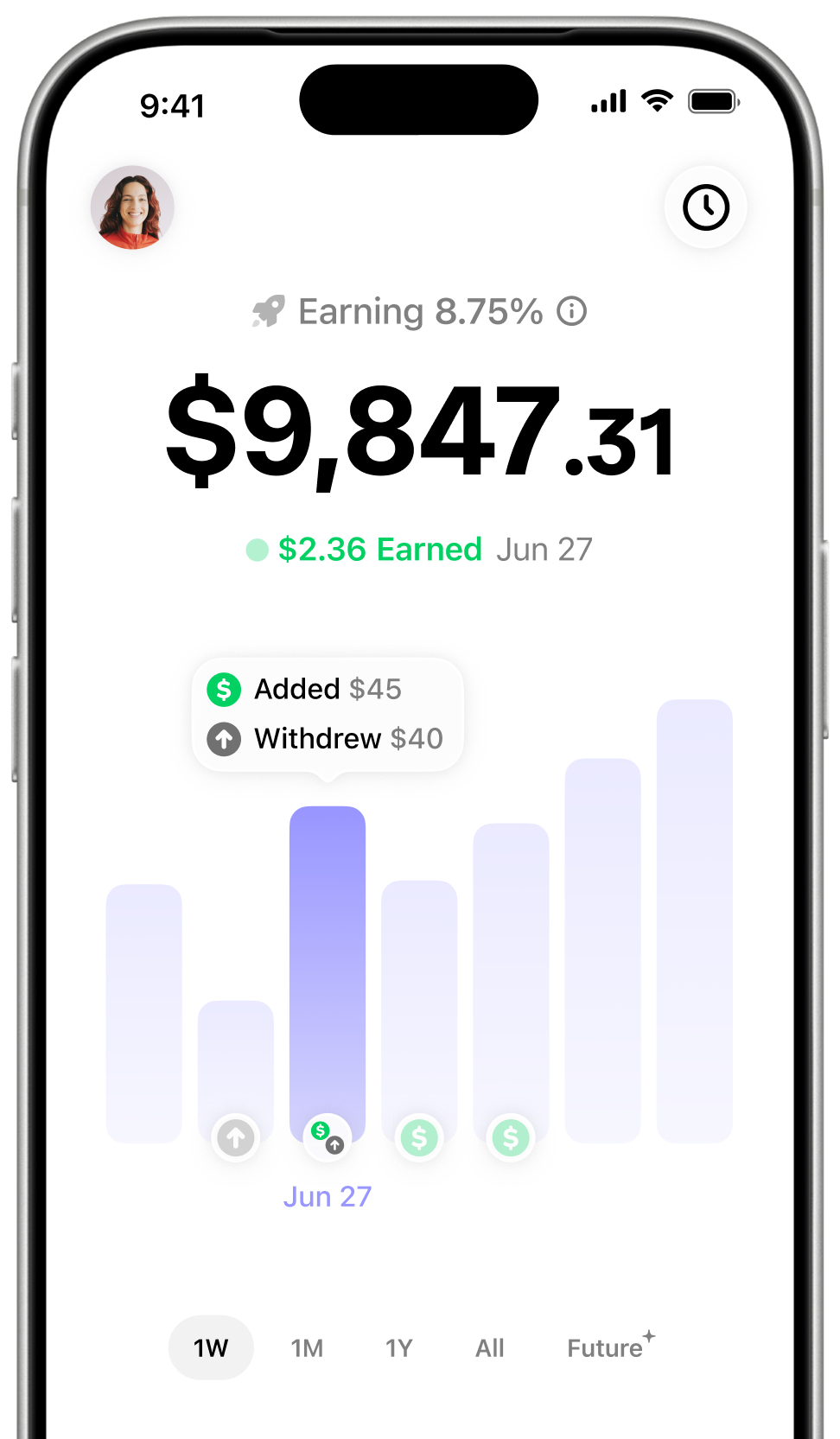
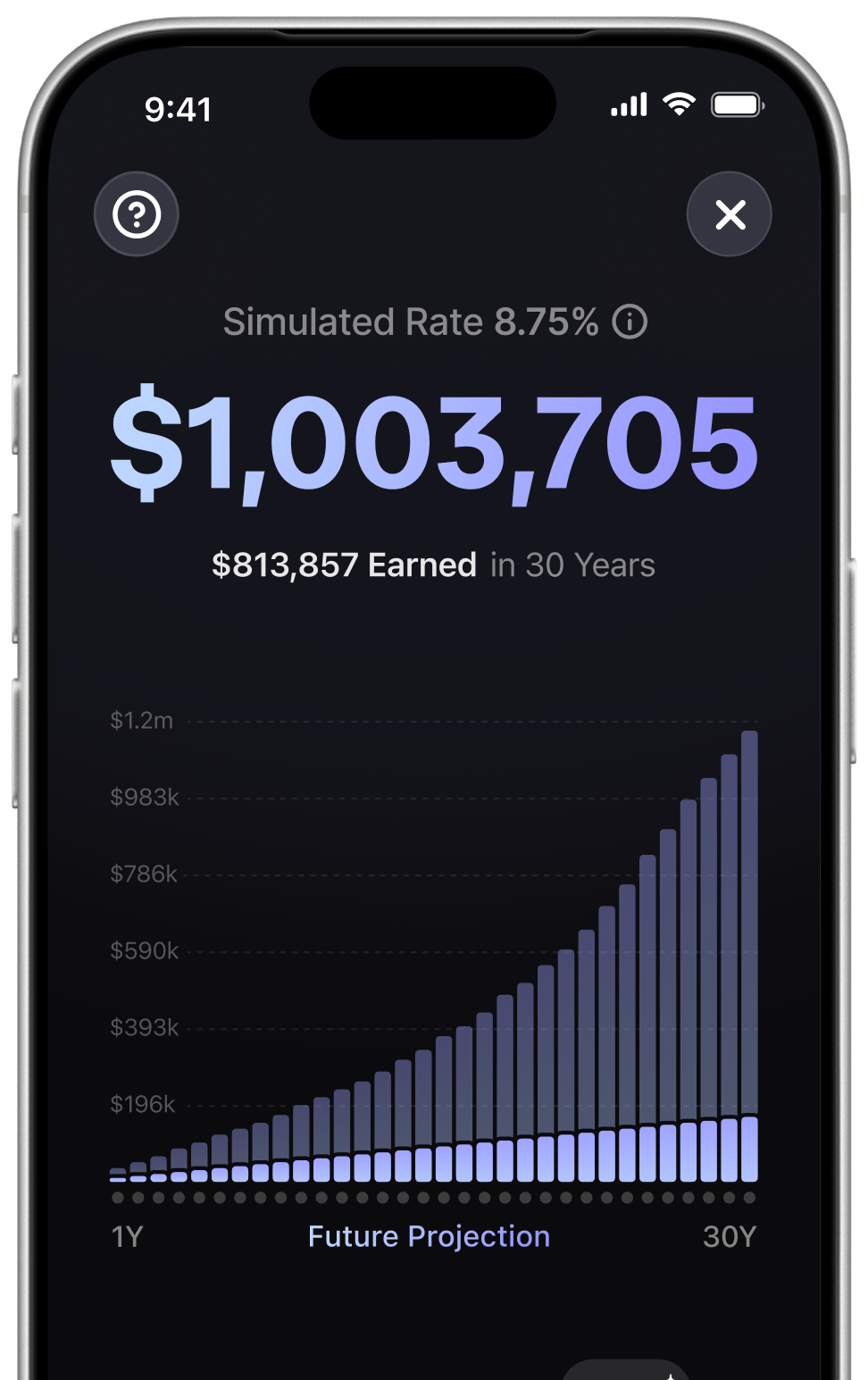
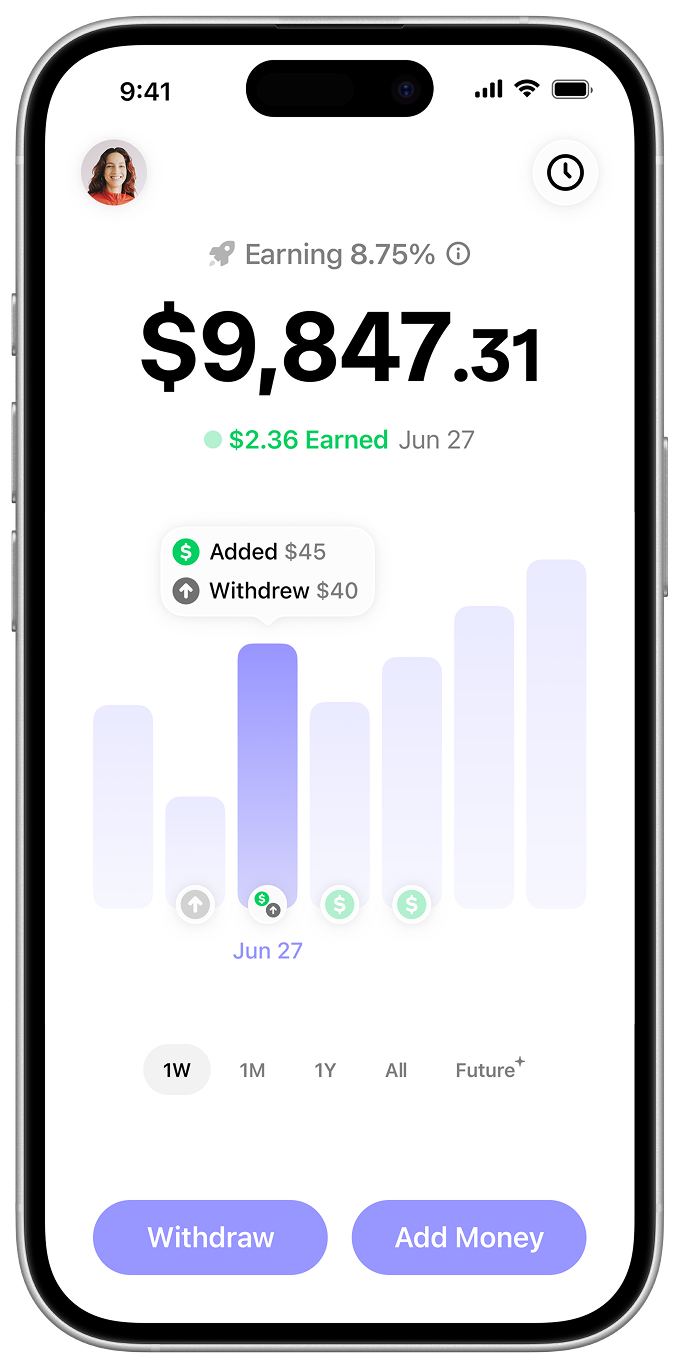

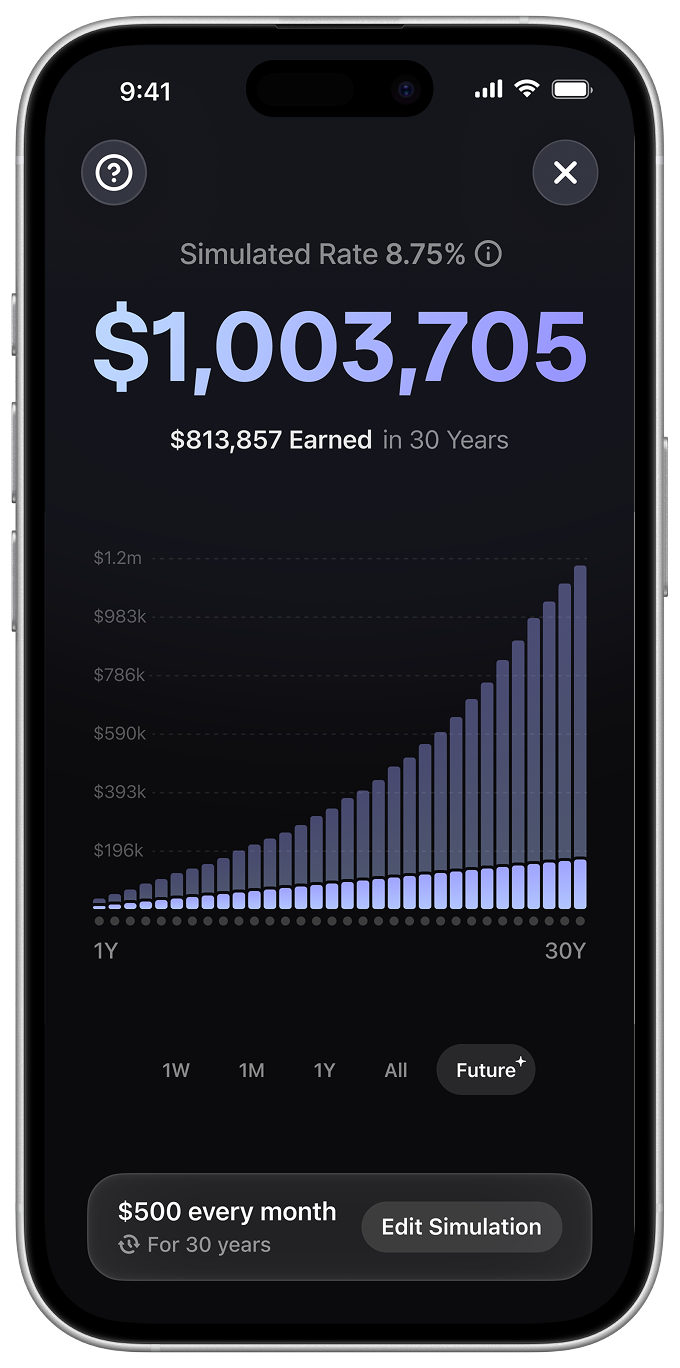

Built for embedded yield.
The accounting chain tracks balances and redemptions while allocators route liquidity into approved ERC-4626 yield adapters across earning chains.
FAQs
Each deposit accrues at a fixed per-second rate set by its assigned SubVault, so returns stay predictable no matter how underlying market rates move. An off-chain rebalancer continuously optimizes yield allocations to sustain those committed rates, absorbing market volatility at the protocol layer instead of passing it to depositors.
The vault continuously tracks its assets against its obligations to depositors. If earned yield falls short, principal is always guaranteed and an authorized party can top up the system to keep every user's earned interest fully withdrawable; if assets exceed obligations, an authorized caller may sweep the surplus to the treasury—though never in a way that would leave the vault unable to cover what it owes.
Yes, because the Stable Vault supports multiple assets and is able to swap commonly denominated stablecoins while requiring a 1:1 exchange.
Slippage and swap/venue fees are funded by an external source. User deposits are never used to pay for slippage or fees and a 1:1 exchange is enforced at the smart contract layer.
Users never directly interact with bridging functionality. The funds deposited into the system are bridged cross-chain by a risk steward which pays for the bridging fees.
Request Integration
Tell us about your product and we'll get you the details to start embedding Aave yield.